

- Sleeping immediately after eating can cause acid reflux, heartburn, and slower digestion, leading to discomfort and nausea.
- This habit may contribute to weight gain due to slower metabolism, increased fat storage, and late-night snacking.
- Post-meal sleep can disrupt sleep quality, causing frequent waking, lower REM sleep, and restless nights.
- Certain foods—like spicy, fatty, sugary, or caffeinated items—worsen digestive issues when eaten before lying down.
- Sleeping right after meals can affect blood sugar regulation, increasing the risk of insulin resistance and metabolic issues.
- Occasional lying down is usually fine, but consistent post-meal sleep can lead to long-term problems like GERD, poor sleep, and elevated heart disease risk.
- Simple strategies—waiting 2–3 hours, walking after meals, eating lighter dinners, and elevating your upper body—can reduce the side effects significantly.
Eating is an essential part of our daily routine, but did you know that what you do after a meal can impact your health as much as what you eat? Many people have a habit of lying down or going to bed right after eating. While it may feel comfortable, this practice can bring a host of health issues over time. In this article, we’ll uncover the side effects of sleeping immediately after eating, why they happen, and how to minimize the risks.
Why Do People Sleep After Eating?
Feeling sleepy after eating is common. This drowsiness occurs because digestion requires energy, and blood flow increases to your stomach and intestines. The body redirects energy from other systems, which can make you feel tired. Additionally, certain foods—especially those rich in sugar or carbohydrates—trigger the release of hormones like insulin and serotonin, promoting relaxation and sleepiness.
But while that post-meal slump feels normal, repeatedly sleeping right after eating can negatively affect your body in ways you might not expect.
1. What Happens to Your Digestion When You Sleep Right After Eating?

When you lie down immediately after a meal, gravity no longer helps food move smoothly through your digestive system. This can result in several issues:
- Acid reflux and heartburn: Stomach acid can flow back into the esophagus, causing a burning sensation.
- Slower digestion: Your stomach may take longer to break down food, which can cause bloating and discomfort.
- Increased risk of nausea: Food lingering in the stomach can lead to nausea or mild vomiting in some cases.
Staying upright after eating allows your digestive system to work more efficiently and reduces the likelihood of these problems.
2. Can Sleeping After Eating Cause Weight Gain?
Many people wonder if lying down after meals can contribute to weight gain. The connection isn’t direct, but certain factors make it more likely:
- Slower metabolism: Digestion slows down when you’re lying down, which may reduce the number of calories burned.
- Increased fat storage: When insulin levels rise after a meal, your body stores more fat if it doesn’t have an immediate opportunity to burn energy.
- Late-night snacking: Sleeping immediately after eating is often linked with eating closer to bedtime, which can contribute to calorie surplus.
While occasional naps after meals are generally fine, consistently sleeping right after eating can influence your weight over time.
3. How Does Sleeping After Eating Affect Your Sleep Quality?
It might seem counterintuitive, but eating right before bed can interfere with how well you sleep:
- Disrupted sleep cycles: Acid reflux and indigestion can make it harder to fall asleep or stay asleep.
- Frequent waking: Discomfort from a full stomach can lead to tossing and turning at night.
- Lower REM sleep: Poor digestion and blood sugar spikes may reduce the time spent in restorative REM sleep.
To improve sleep quality, try to finish meals at least 2–3 hours before lying down.
4. Can Sleeping After Eating Cause Acid Reflux or GERD?
One of the most common side effects of sleeping immediately after eating is acid reflux. This occurs when stomach acid flows back into the esophagus, causing:
- Heartburn
- Regurgitation of food
- Chest discomfort
- Difficulty swallowing
For people with gastroesophageal reflux disease (GERD), lying down after a meal can trigger frequent flare-ups. Simple adjustments, like raising the head of your bed or waiting 2–3 hours after meals before sleeping, can significantly reduce symptoms.
5. Does It Affect Your Heart Health?
While research is still ongoing, some evidence suggests that repeated episodes of post-meal heartburn or reflux may indirectly affect heart health. Chronic acid reflux can lead to inflammation in the esophagus, and poor sleep quality is associated with higher risks of high blood pressure, obesity, and cardiovascular disease. Sleeping immediately after eating, especially heavy or late-night meals, can contribute to these long-term risks.
6. How Does Sleeping After Eating Impact Blood Sugar Levels?
Eating triggers an increase in blood sugar, and the body responds by producing insulin. Sleeping immediately after a meal can affect blood sugar regulation:
- Higher blood sugar peaks: Lying down may slow glucose absorption, leading to higher spikes.
- Increased risk for insulin resistance: Over time, frequent late-night meals and immediate sleep may make it harder for your body to process sugar efficiently.
- Potential diabetes concerns: For people predisposed to type 2 diabetes, this habit may increase risk factors.
Maintaining a gap between eating and sleeping helps your body manage blood sugar more effectively.
Is Lying Down After Eating Ever Okay?
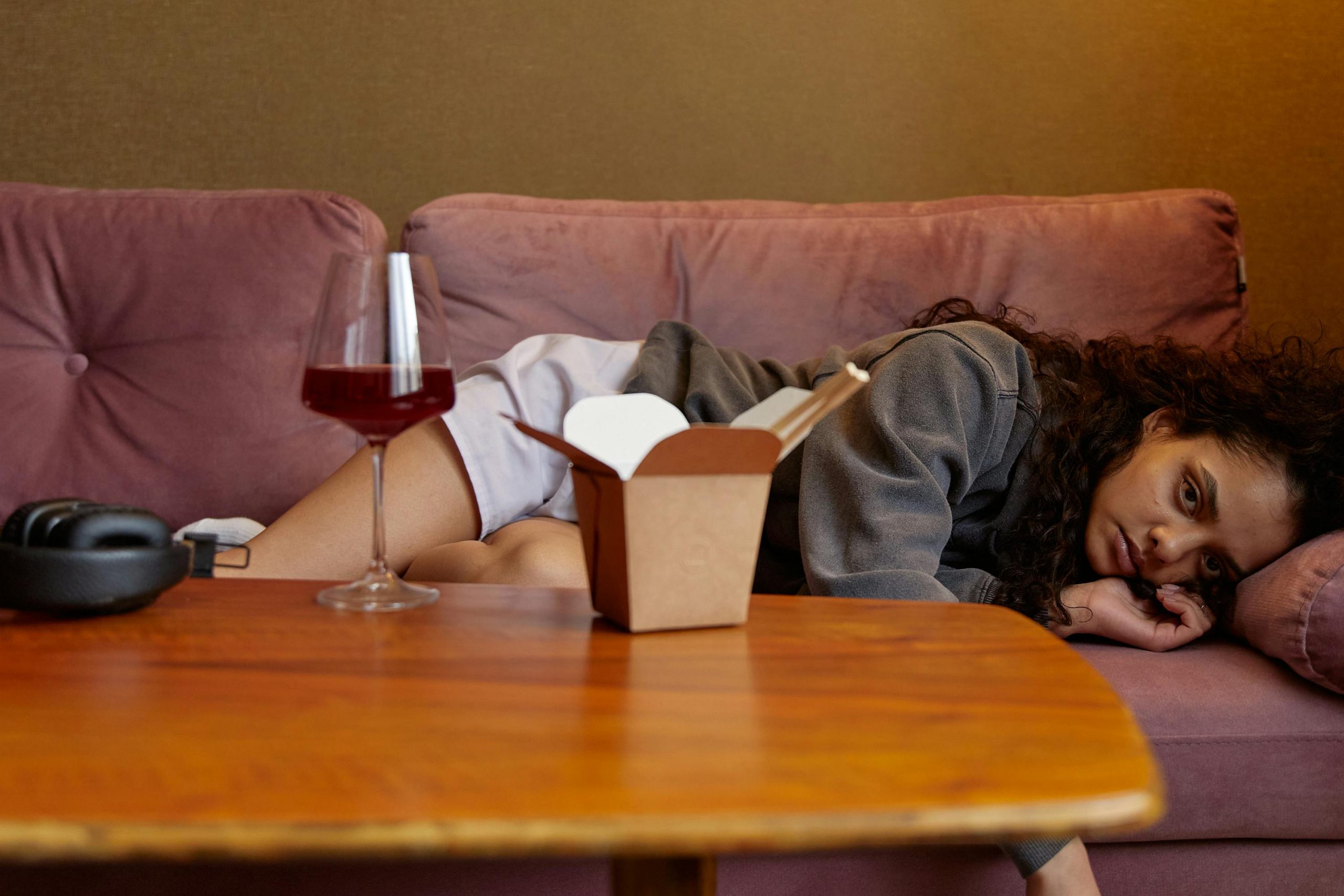
Occasionally lying down after a meal isn’t harmful for most healthy people. It becomes a problem when it’s a consistent habit, particularly after large or heavy meals. Short, gentle activity like walking or light chores can help digestion and reduce side effects without causing fatigue.
Are Certain Foods Worse for Post-Meal Sleep?
Not all meals have the same effect. Some foods can exacerbate the negative side effects of sleeping immediately after eating:
- Spicy foods: These can increase acid production, leading to heartburn.
- High-fat meals: Fat slows digestion, increasing the likelihood of discomfort.
- Sugary snacks: Sugar spikes can cause energy crashes and interfere with sleep.
- Caffeinated items: While not immediately linked to digestion, caffeine can disrupt your sleep if consumed late in the day.
Opting for lighter meals in the evening or earlier in the day can help minimize problems.
Tips to Avoid the Side Effects of Sleeping Immediately After Eating
If you want to enjoy meals without the negative consequences, consider the following strategies:
- Wait at least 2–3 hours after eating before lying down.
- Take a short walk or engage in light activity post-meal.
- Eat smaller portions in the evening to avoid overloading your stomach.
- Limit high-fat, spicy, or sugary foods before bedtime.
- Elevate your upper body when sleeping if you experience reflux.
- Practice mindful eating, focusing on slow chewing and avoiding overeating.
What Are the Long-Term Consequences of Sleeping Immediately After Eating?
While occasional post-meal sleepiness is normal, a long-term habit can lead to:
- Chronic acid reflux or GERD
- Weight gain and increased fat storage
- Poor sleep quality and insomnia
- Elevated blood sugar and metabolic issues
- Greater risk of heart disease over time
Addressing this habit early can help prevent these problems before they become serious health concerns.
How to Adjust Your Evening Routine
Making small changes in your daily routine can reduce the temptation to sleep immediately after eating:
- Plan earlier dinners so your body has time to digest.
- Incorporate light post-meal activities, like a brief walk or stretching.
- Create a bedtime ritual that begins after digestion, such as reading or relaxing without screens.
- Avoid late-night snacking unless necessary, and choose light, healthy options.
Are There Exceptions to These Rules?
Certain situations may make it difficult to wait before lying down:
- Shift work or irregular schedules may necessitate eating closer to bedtime.
- Medical conditions that cause fatigue may make immediate sleep unavoidable.
- Children and elderly individuals may need different routines.
In these cases, focusing on meal composition, portion size, and sleeping position can mitigate negative side effects.
FAQs About Sleeping Immediately After Eating
Q: Can a short nap after eating be harmful?
A: Short naps of 20–30 minutes are generally safe, especially if the meal was light. Avoid full-length sleep right after heavy meals.
Q: Does drinking water after meals affect digestion?
A: Moderate water intake is fine, but avoid large amounts immediately after eating, as it may dilute stomach acid and slow digestion slightly.
Q: What about lying on my left side after eating?
A: Lying on the left side can help reduce reflux because it keeps the stomach below the esophagus, making it a better position than lying flat on your back or right side.
Q: Are there any foods that improve digestion before bedtime?
A: Foods high in fiber, light proteins, and certain herbs like ginger or chamomile may aid digestion and reduce discomfort if eaten in moderation.
In Closing
Sleeping immediately after eating might feel natural, but it comes with a variety of health risks—from digestive problems and heartburn to weight gain and disrupted sleep. By understanding the side effects and implementing simple strategies, you can protect your health and enjoy meals without compromising comfort or long-term wellness.
Remember, timing matters. Give your body time to digest, choose lighter meals in the evening, and maintain habits that support both digestion and sleep. Your stomach and your overall health will thank you.
